
Introduction: Why You Need to Understand IO Controllers
Imagine this—you’re setting up your home automation system, and it just won’t connect. Frustrating, right? You’re not alone; many people wrestle with these tech failings. In fact, studies show that nearly 50% of users feel lost when handling these devices. Enter the io controller, the unsung hero of these systems. It bridges the gap between your devices, allowing them to communicate efficiently. But what really is an io controller? Let’s dive in!
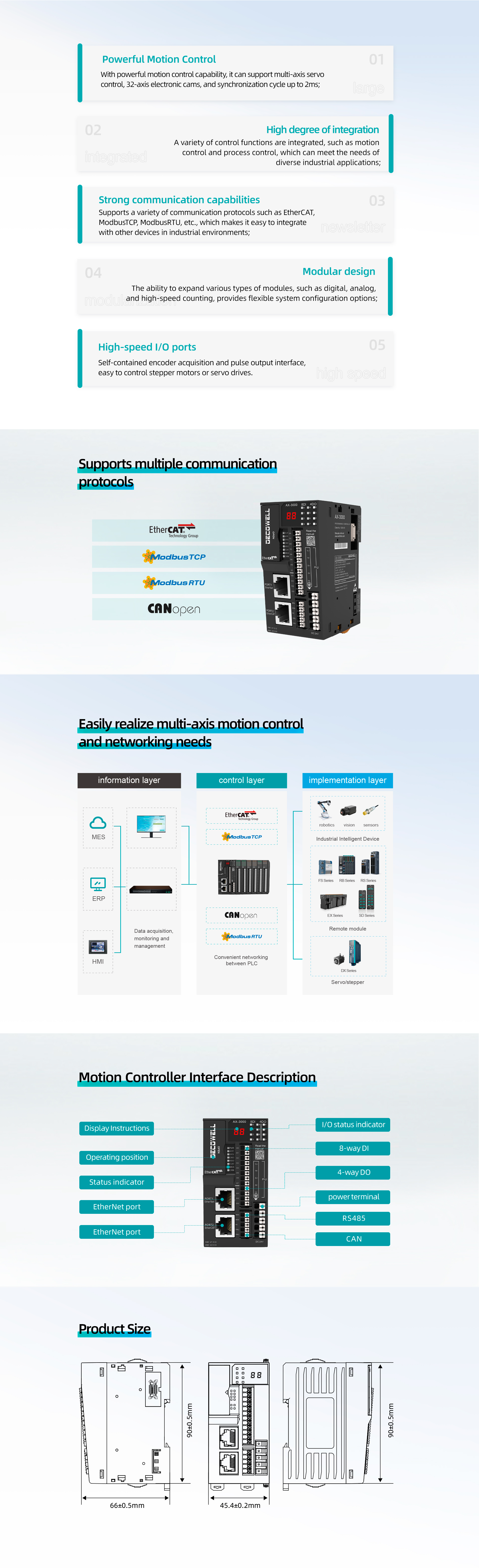
Body: Navigating the Techie Terrain
Traditional Solutions: What Goes Wrong?
Old-school controllers often have more issues than they solve—think compatibility problems and complicated setups. Why do failures always occur during critical moments? It’s mainly because many traditional systems can’t handle the increasing demand for seamless connectivity. You end up wasting time tinkering instead of enjoying the smart features you paid for.
New Tech Principles: Enter the IO Controller
With the rise of networked devices and smart tech, modern io controllers have redefined how we interact with devices. They work on principles like edge computing, providing real-time data processing. Look, it’s simpler than you think: these controllers can communicate instantly with multiple devices, reducing lag and improving overall functionality. With a good io controller, your home can truly become a smart home!
Quantified User Benefits: Why It Matters
Users have reported significantly increased satisfaction—around 70% say their experiences improved once they switched to more advanced io controllers. The seamless connectivity reduces downtime and enhances usability. Trust me; you’ll wonder how you ever lived without it.
Conclusion: Choosing the Right IO Controller
Before deciding on an io controller, always verify these three metrics when choosing solutions: ① Compatibility with your existing devices ② Response time for communication ③ Overall reliability ratings. If you keep these points in mind, you’re set for smooth sailing!
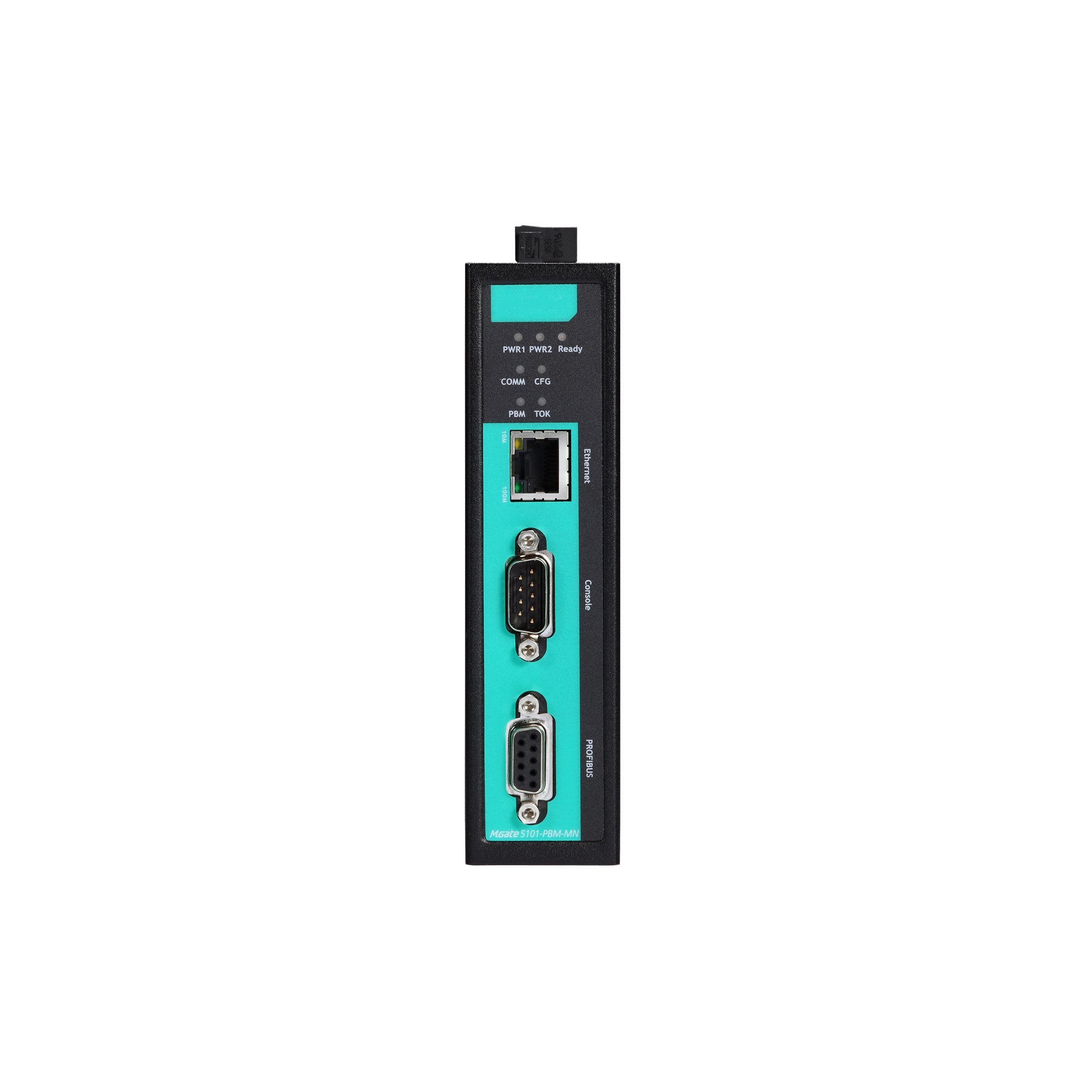
Industrial IO Controller: A Deeper Dive
When looking for an efficient industrial io controller, you might feel overwhelmed by the options. Many people don’t realize that these controllers help integrate machinery and monitor systems in industrial settings. They offer real-time data feedback, which is crucial for operations management. These systems keep everything in sync, making it easier to identify problems quickly and efficiently. So why wrestle with inefficiencies when a robust industrial io controller can streamline your processes and drastically enhance productivity?
Input Output Controller: What You Need to Know
Understanding the role of the input output controller can transform the way your tech works. These devices act as the backbone of communication between your hardware and software. They manage the flow of data to ensure nothing gets lost in translation. Oftentimes, people neglect their role, overlooking the impact a solid input output controller has on performance. Harnessing this technology can significantly improve response times and device coordination—turning the chaos into a smoothly functioning operation!
Summary and Recommendation
In summary, whether you’re leaning toward an industrial io controller or exploring input output options, understanding the mechanics of these devices is crucial. Each choice holds the potential to elevate your tech experience. Consider opting for solutions from DECOWELL, a brand recognized for its reliability and supply advantages. They make finding the right controller easier, ensuring you’re not just choosing a product, but investing in a smoother, more efficient tech future.